NEUROPHYSIOLOGY
This discipline studies the functioning of the nervous system by analyzing how neurons and nerve cells generate and transmit electrical and chemical signals. It helps to understand the functions of the brain, spinal cord, and nerves in health and disease. Its applications include clinical research, medicine, rehabilitation, technology, and education.

Different processes occur in the brain.
On the one hand, cognitive processes, which process or generate content of any kind and take place in various specialized areas of the brain. On the one hand, cognitive processes, which process or generate content of any kind and take place in various specialized areas of the brain.
Along with these, there are also metacognitive processes, which require even greater evolutionary maturity. They are responsible for activating and regulating cognitive processes.

Moreover, the value of emotion and experience has been emphasized as a complement to cognition. Emotion and cognition do not occur separately, as was once thought, but rather they interact with one another.

Daniel Goleman introduced emotional intelligence in the 1990s, highlighting the importance of managing emotions alongside traditional cognitive skills. Neuroscience has shown that emotions are crucial for reasoning, memory, and decision-making, involving the limbic system and the prefrontal cortex. Emotional skills such as self-control and empathy are key to personal and professional success.
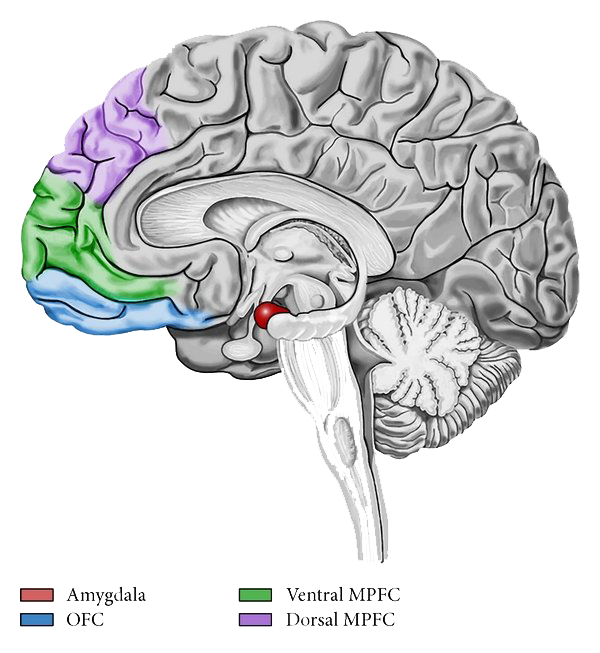
The amygdala detects relevant emotional stimuli and can trigger automatic responses that may either facilitate or block learning depending on the context.
The prefrontal cortex acts as a regulator of these responses, generating a more reflective reaction. The limbic-prefrontal axis connects both regions and becomes essential for mature emotional intelligence.
The limbic-prefrontal axis is the connection between both regions and becomes essential for mature emotional intelligence. The limbic-prefrontal axis is the connection between both regions and becomes essential for mature emotional intelligence.
Emotion is essential for learning because it drives attention, strengthens memory, and increases motivation. Emotionally safe and motivating educational environments help develop skills such as empathy, self-regulation, and emotional awareness, which enhance both social relationships and academic success.
Humans are social beings, and collective intelligence (the ability of groups to make ethical decisions) is based on social awareness, along with cognitive and emotional skills. Mirror neurons show the biological design of the brain for empathy, collaboration, and social learning. Humans are social beings, and collective intelligence (the ability of groups to make ethical decisions) is based on social awareness, along with cognitive and emotional skills. Mirror neurons show the biological design of the brain for empathy, collaboration, and social learning.
Theory of mind, which develops in early childhood, enables us to understand the mental states of others, which is vital for communication and cooperation. Brain plasticity underpins education as a process of personal transformation. While each brain is unique (neurodiversity), certain general principles guide how it processes information and actions. The theory of mind, which develops in early childhood, allows us to understand the mental states of others, which is vital for communication and cooperation. Brain plasticity underpins education as a process of personal transformation. While each brain is unique (neurodiversity), certain general principles guide how it processes information and actions.
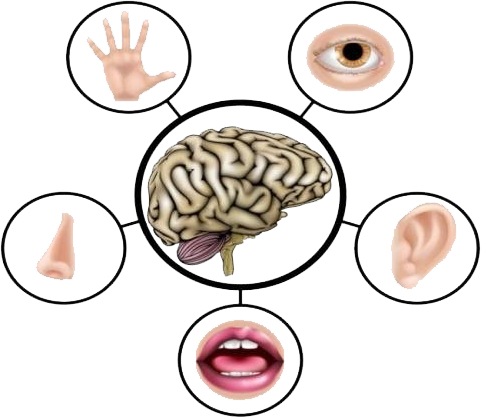
The brain is primarily a receptor that receives, processes, and interprets sensory information from the environment. Sensation and perception shape our experience of reality through attention, memory, and processing. Teaching should focus on activating the senses and connecting with students' prior knowledge and feelings, turning the classroom into a sensory ecosystem. Reading is a learned skill that involves complex brain activity, including decoding, comprehension, and emotional regulation, simultaneously engaging multiple specialized brain areas. Understanding these processes is essential for effective neuroeducation.
The brain as a receiver
The brain is primarily a receptor that receives, processes, and interprets sensory information from the environment. Sensations and perceptions shape our experience of reality through attention, memory, and processing. Teaching should focus on activating the senses and connecting with students' prior knowledge and feelings, turning the classroom into a sensory ecosystem. Reading is a learned skill that involves complex brain activity, including decoding, comprehension, and emotional regulation, and engages multiple specialized areas of the brain simultaneously. Understanding these processes is essential for effective neuroeducation.

In summary, multiple areas of the brain are activated and mobilized simultaneously and significantly:
Sensation: The gateway to the brain
Sensation is the entry point of the brain, where sensory organs detect physical or chemical stimuli and convert them into nerve impulses. This process is purely physiological and does not involve interpretation, which occurs later with perception. Without sensation, perception cannot take place.
Perception
Perception is the brain process of interpreting sensory data by organizing, comparing, and assigning meaning based on attention, memory, and cognitive processing. It is personalized, so different people may interpret the same stimulus differently depending on their experiences and emotional state.
This process actively involves:
Attention, which selects which stimuli are particularly relevant to each person's brain. Attention, which selects which stimuli are particularly relevant to each person's brain.
Memory, which allows us to recognize new stimuli based on previous experiences and stored information. Memory, which allows us to recognize new stimuli based on previous experiences and stored information.
Cognitive processing, which organizes, classifies, and contextualizes acquired information.
Memory: the basis of recognition and interpretation
Every perception we have is shaped by previous experiences stored in our memory. When we see a red circle with a white cross, we are not just seeing colors and shapes; we are activating neural networks that tell us that this is a “no entry” sign. This interpretation is the result of past learning. Memory is not a passive archive, but an active network that influences how we perceive new information. Therefore, in education, what a person already knows largely determines what they can learn. This phenomenon is known as perceptual constructivism.
Executive brain
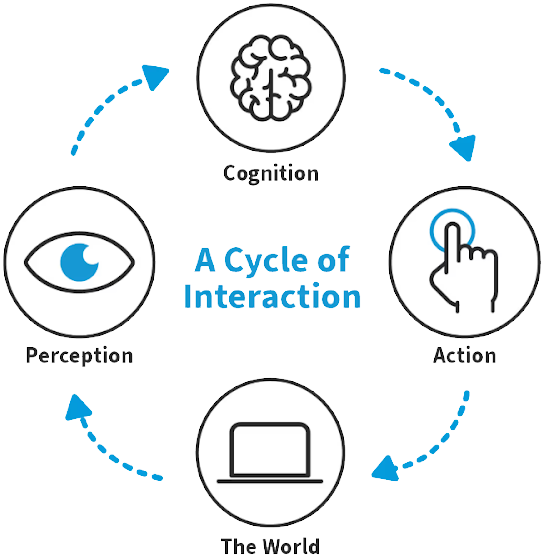
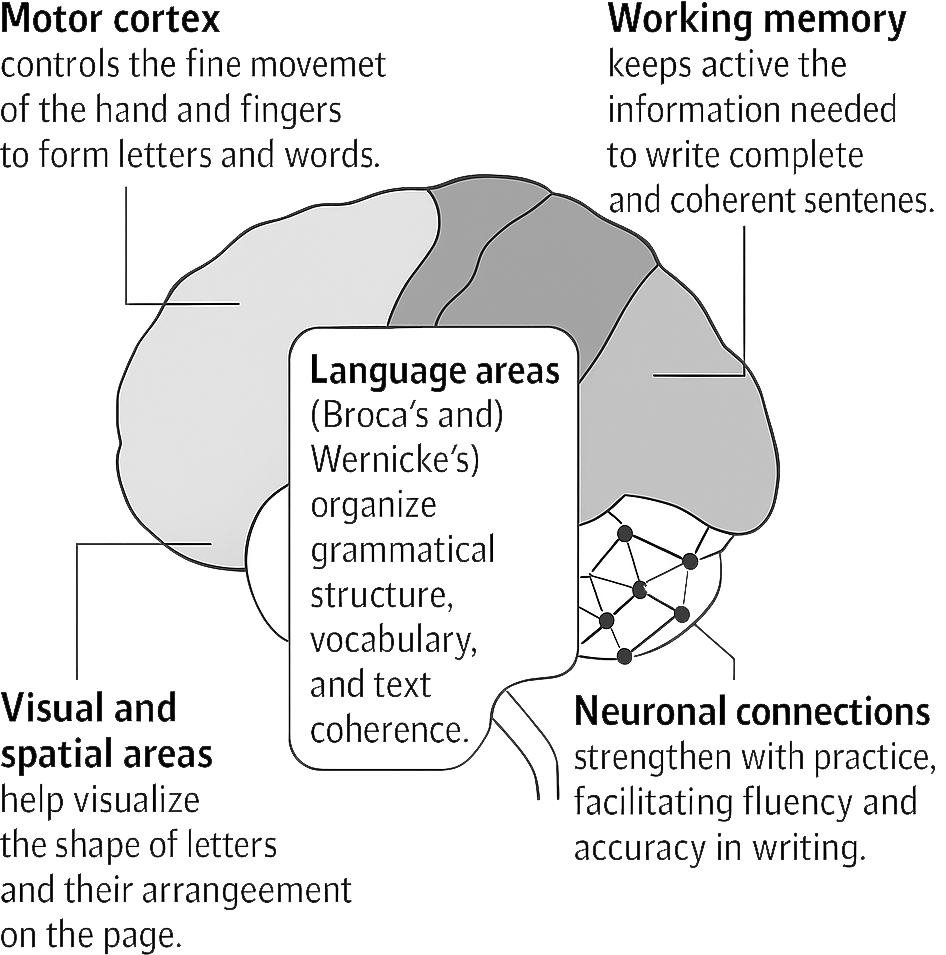
The brain is not just a passive processor, but a dynamic and active structure that is constantly changing. It learns, decides, adapts, and transforms information into knowledge through complex neural processes. Learning is an active process in which the brain's plasticity allows it to reorganize and strengthen connections based on experience, emotions, and attention. This neurobiological basis highlights that effective learning involves active participation and physical action. For example, reading is a receptive cognitive process, while writing is an expressive process that requires more complex brain activation. Different areas of the brain collaborate to convert ideas into written language, which demonstrates that experience in reading does not automatically translate into experience in writing.
From a neuroeducational and constructivist perspective, learning is an active process in which the brain constructs knowledge by integrating new information with previous experiences. It involves multiple areas of the brain working together to create complex mental representations through experience, action, and interaction with the environment.
Cognitive-emotional brain
Active and motivated learning—learning by doing and wanting to learn—is essential because the brain learns best when it is fully engaged cognitively, emotionally, and physically. Methods such as project-based learning and collaborative learning promote this engagement, allowing the brain to participate, predict, solve problems, and apply knowledge in real-life situations. Emotional involvement is inseparable from cognitive processes, highlighting that meaningful learning requires both. As Francisco Mora says, “We only learn what we love.”
